• Home
  • Services
    • Retrofit/Blown-In Attic Insulation
    • Insulation Removal
    • Drill-and-Fill Wall Insulation
    • Garage Door Insulation
  • Gallery
  • Reviews
  • Service Area
  • Resources
  • FAQ
  • Contact
(512) 966-1223
A white background with a few lines on it
  • Home
  • Services
    • Retrofit/Blown-In Attic Insulation
    • Insulation Removal
    • Drill-and-Fill Wall Insulation
    • Garage Door Insulation
  • Gallery
  • Reviews
  • Service Area
  • Resources
  • FAQ
  • Contact
Georgetown, TX (512) 966-1223
Tomball, TX (713) 992-6223

See Our Work!

Check out some of our recent projects!

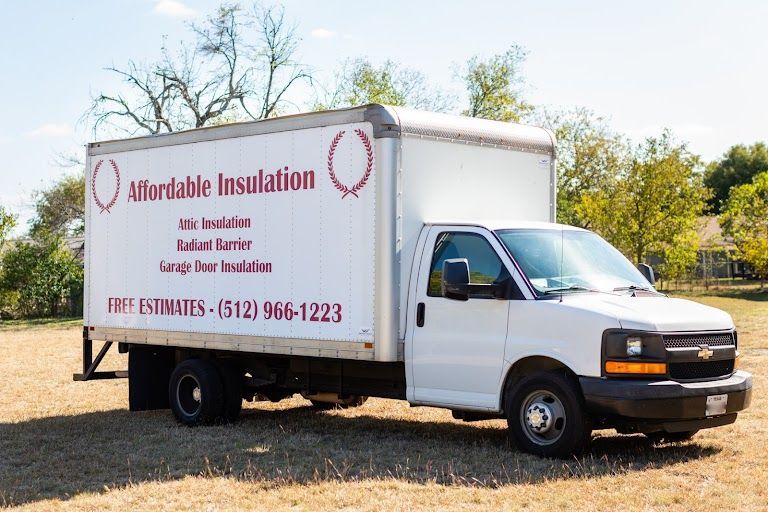
A white affordable insulation truck is parked in a field
Button
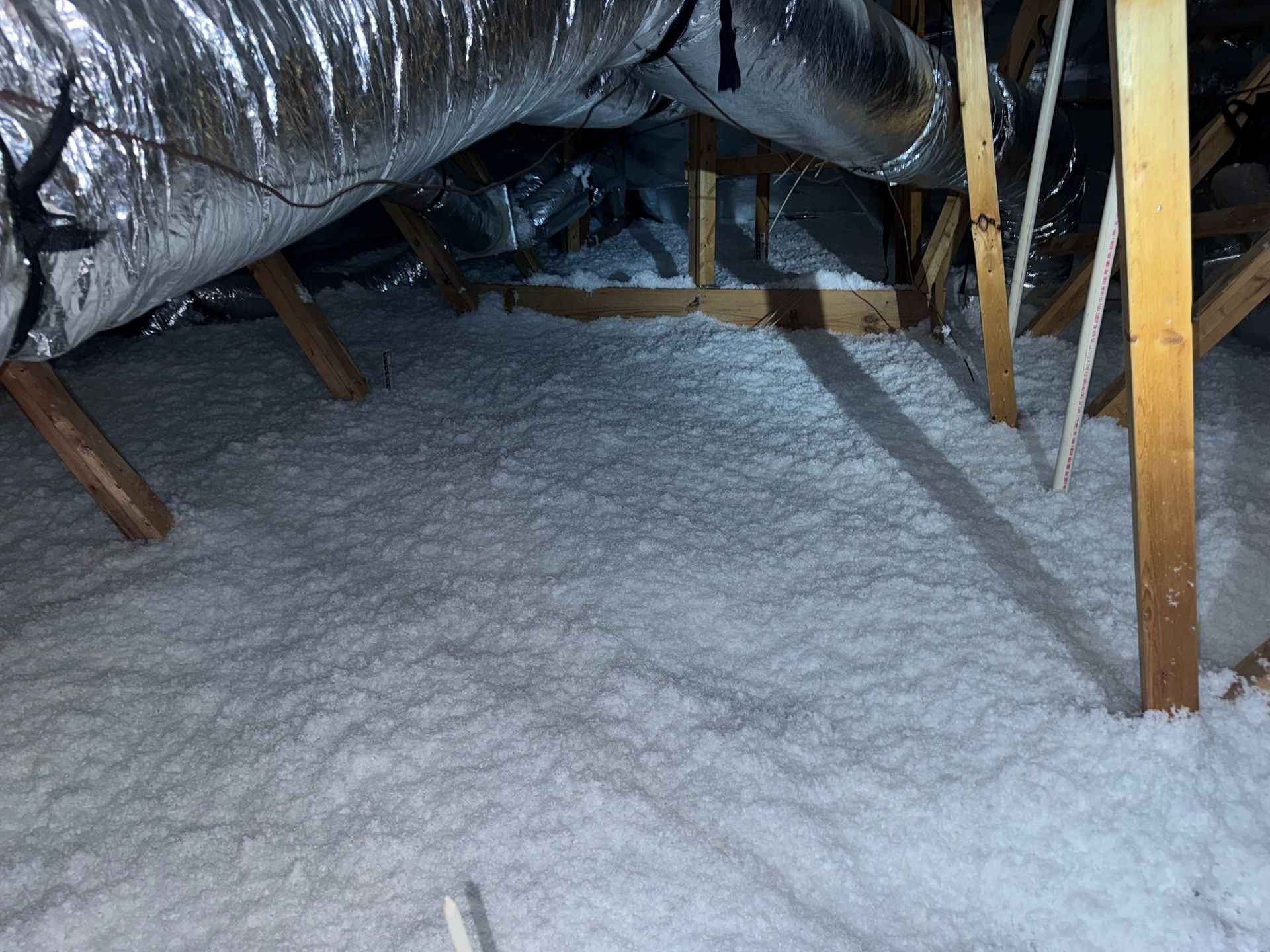
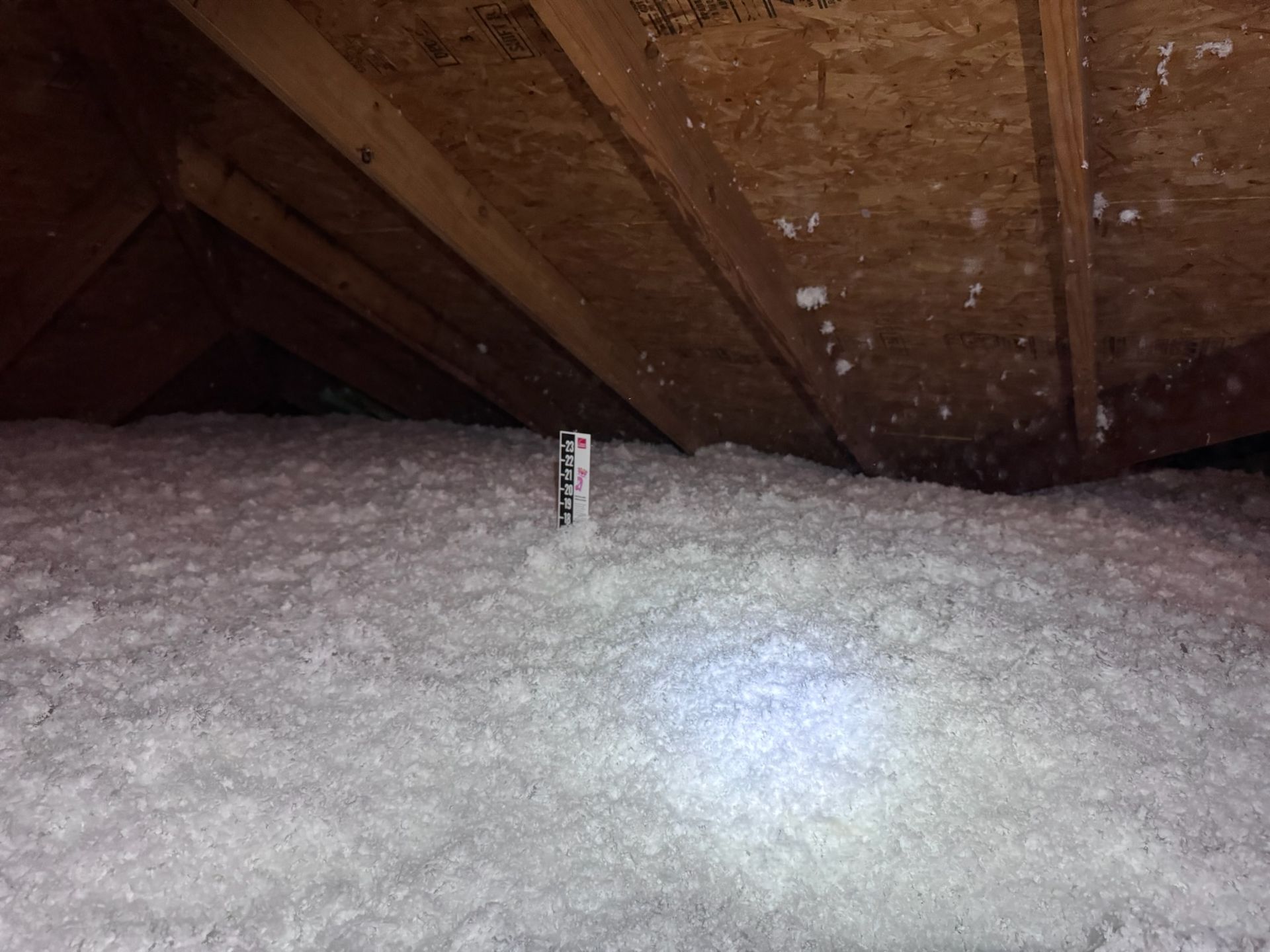
There is a lot of insulation in the attic of a house.
Button
An attic filled with white insulation and a pipe.
Button
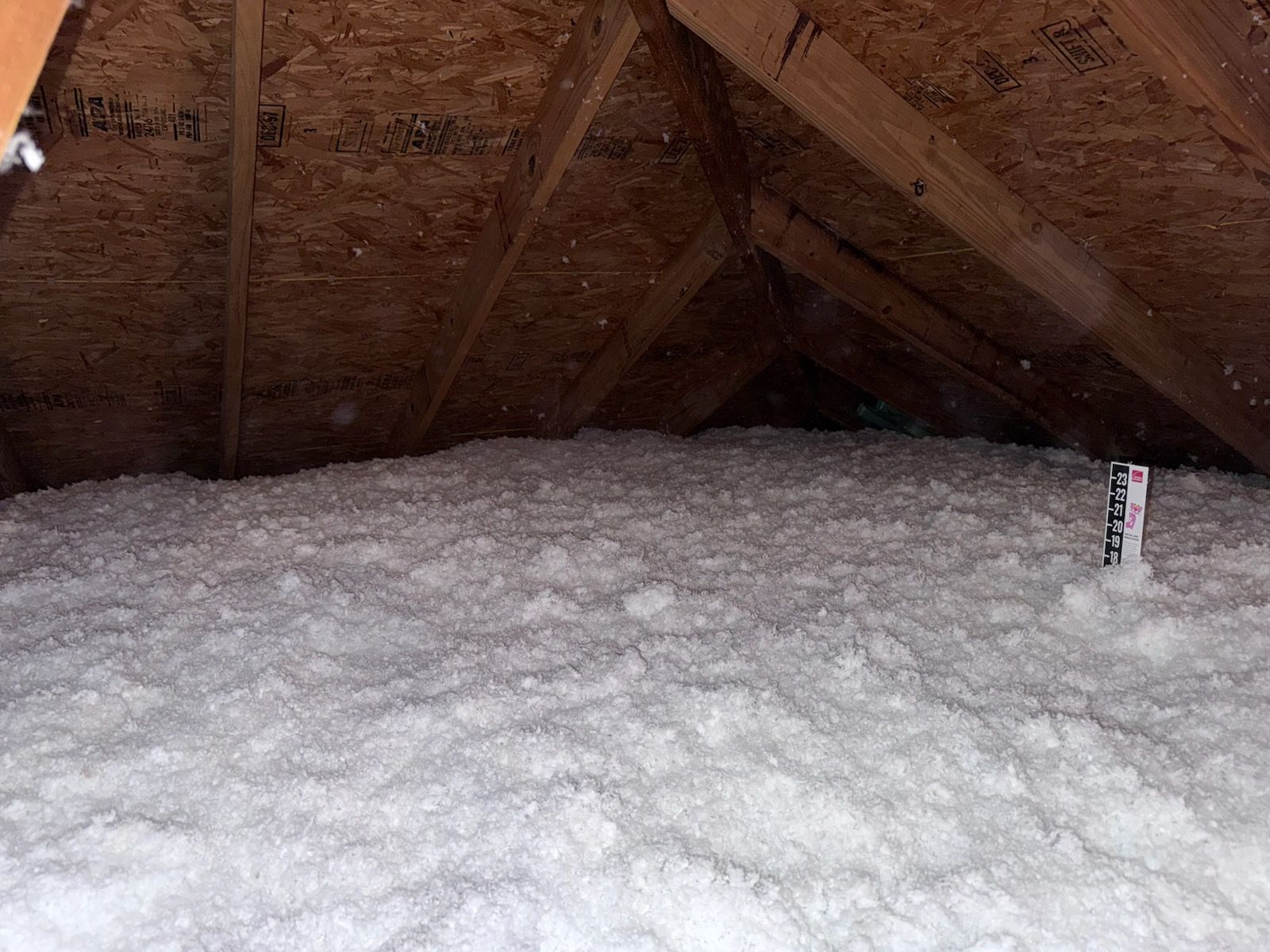
There is a lot of insulation in the attic of a house.
Button
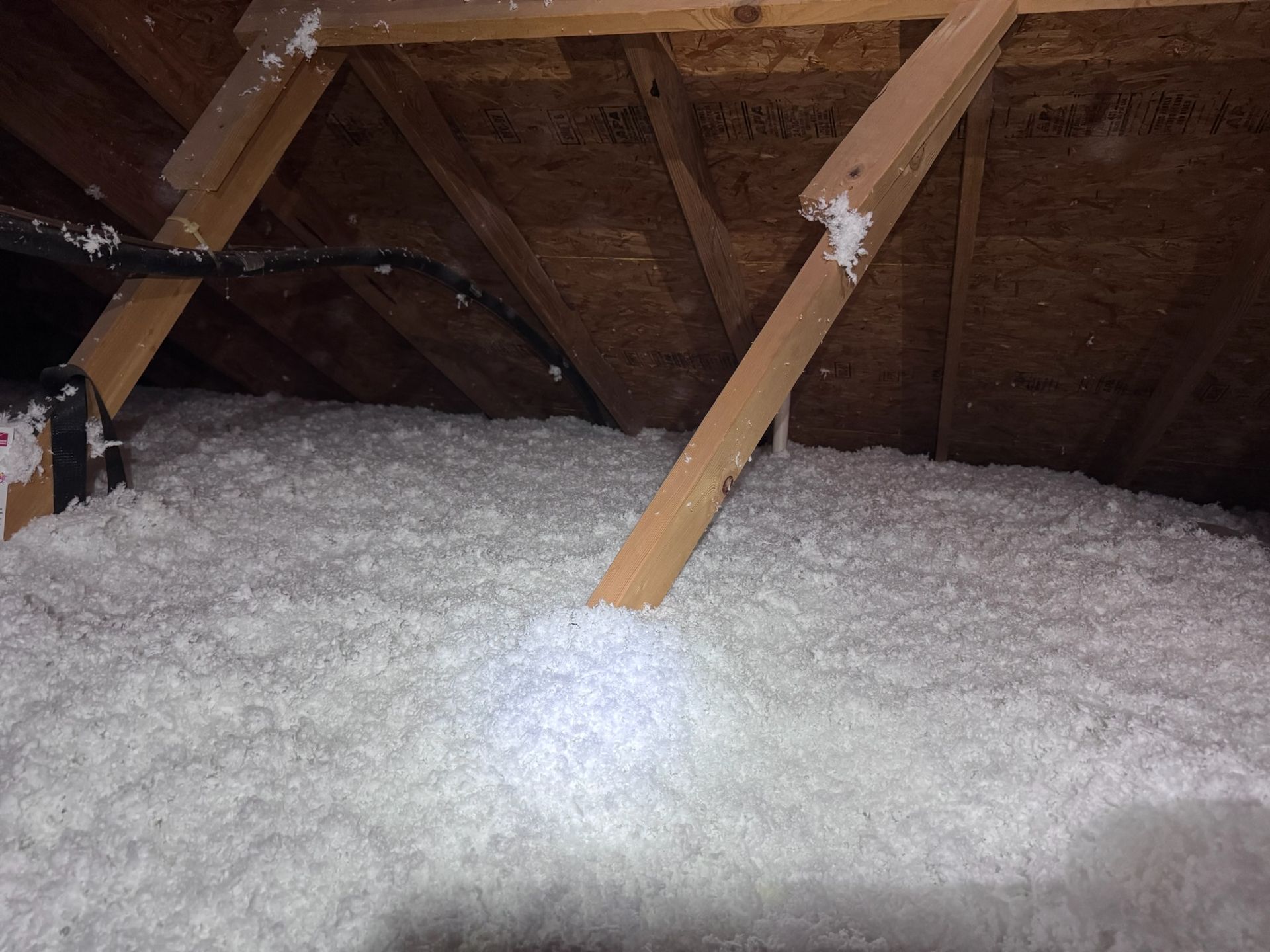
There is a lot of insulation in the attic of a house.
Button
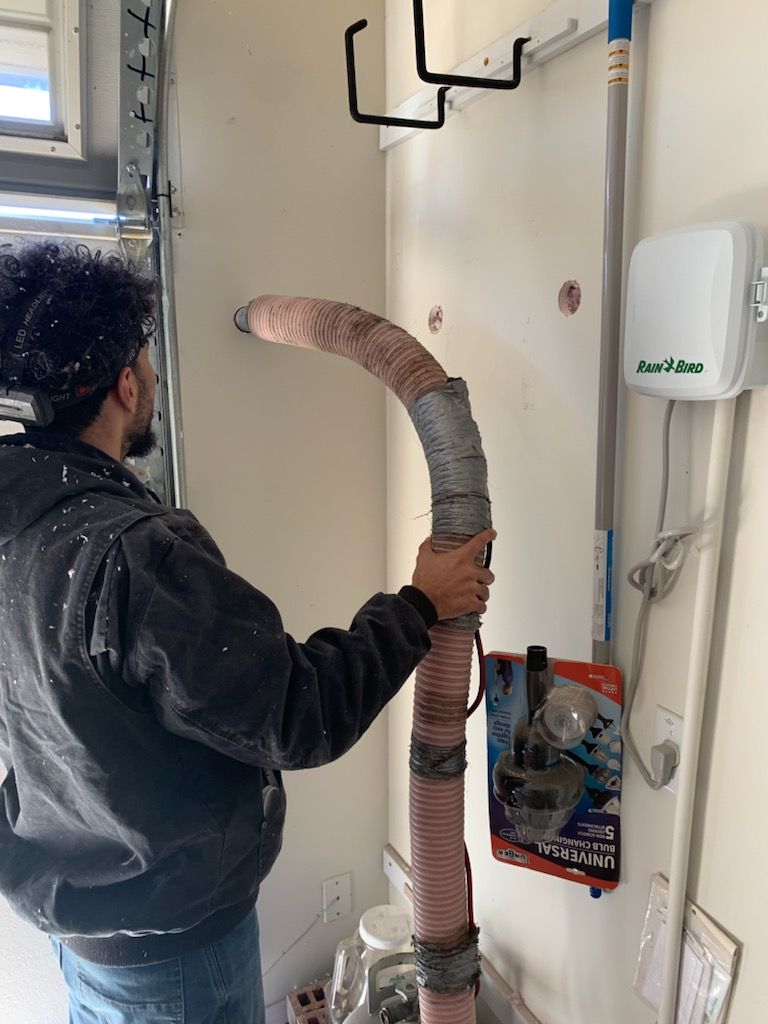
A man is holding a hose in a room.
Button
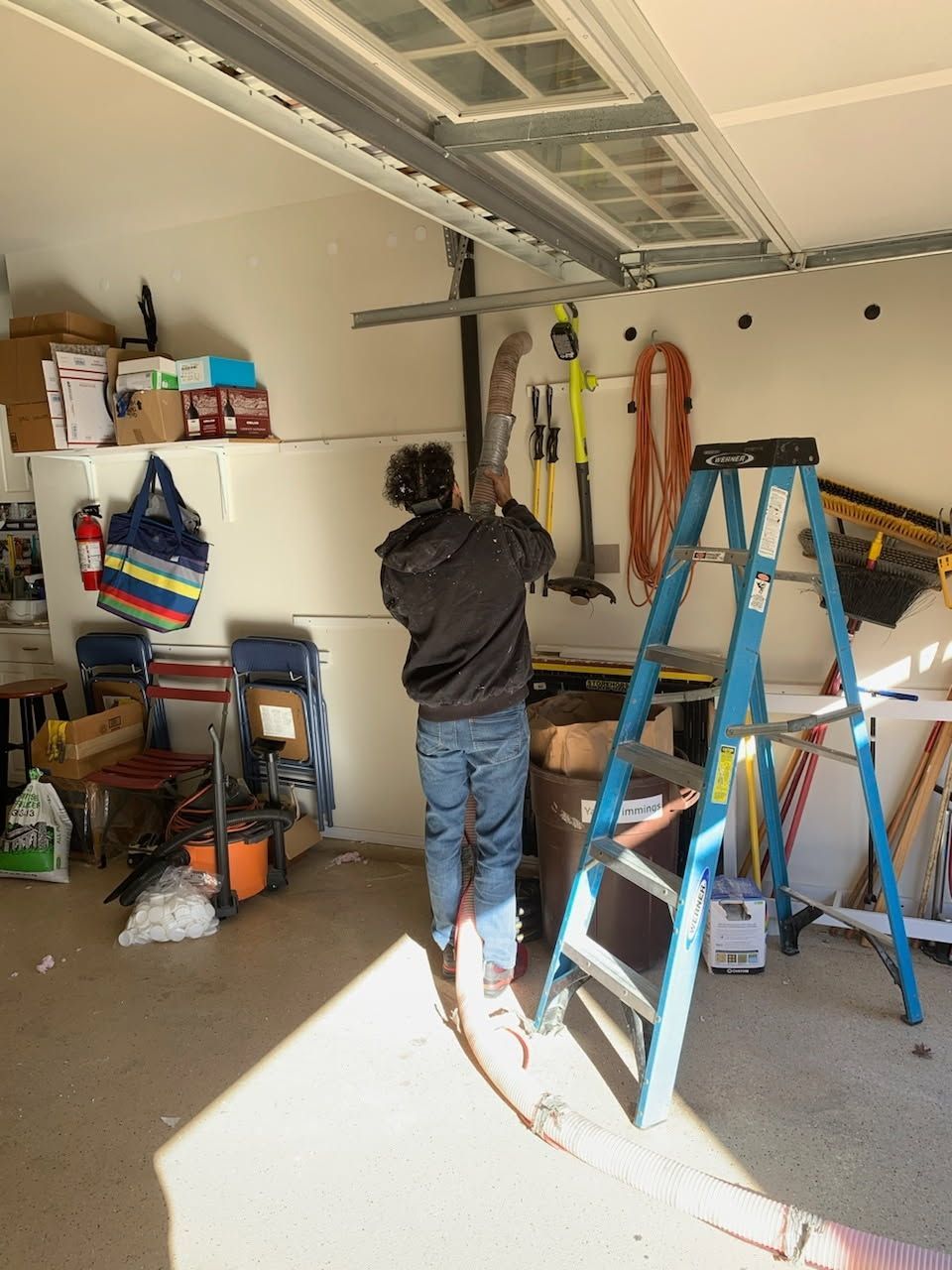
A man standing in a garage next to a blue ladder
Button
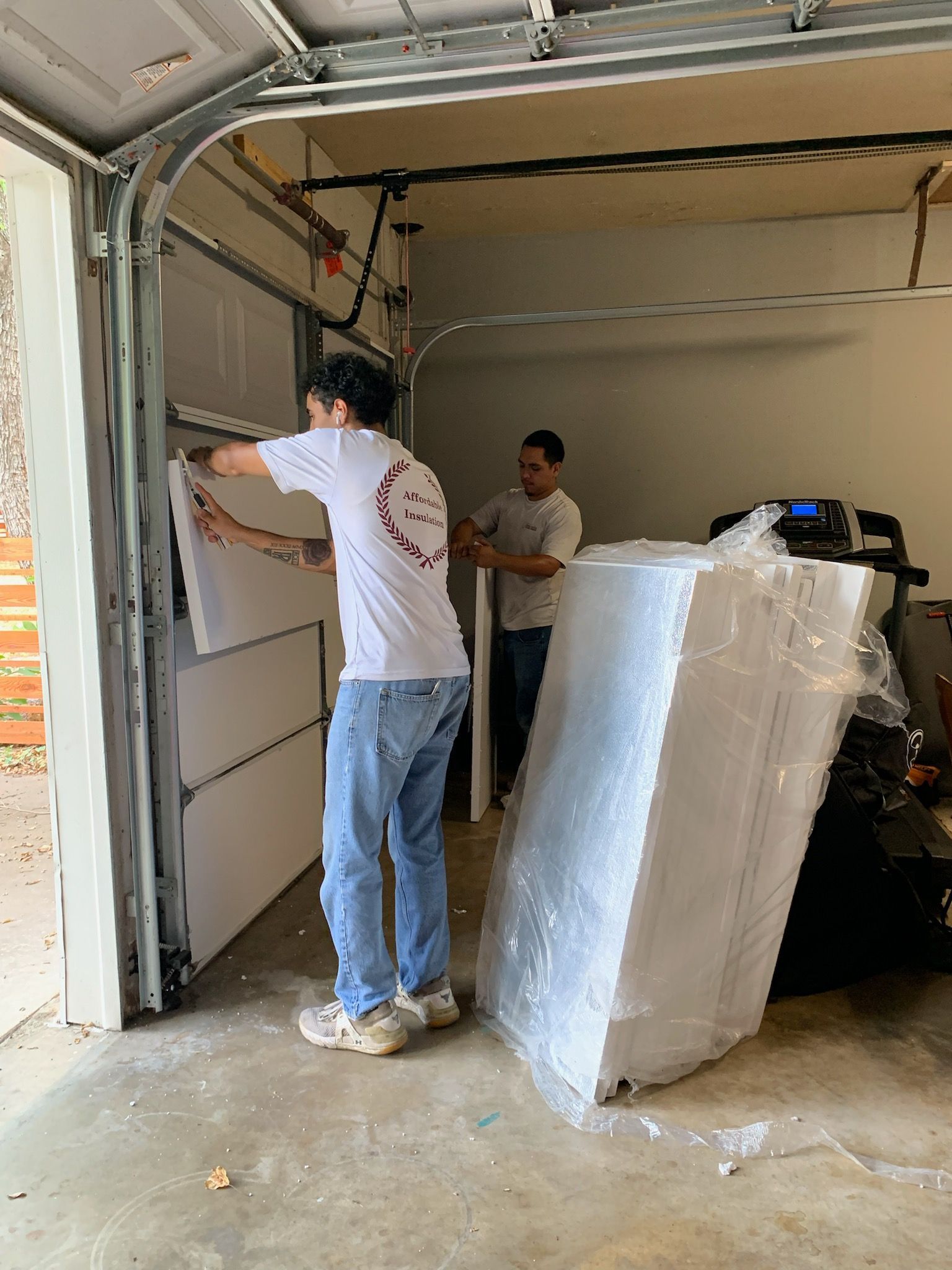
Two men are working on a garage door in a garage.
Button
There is a ladder in the garage with a garage door open.
Button
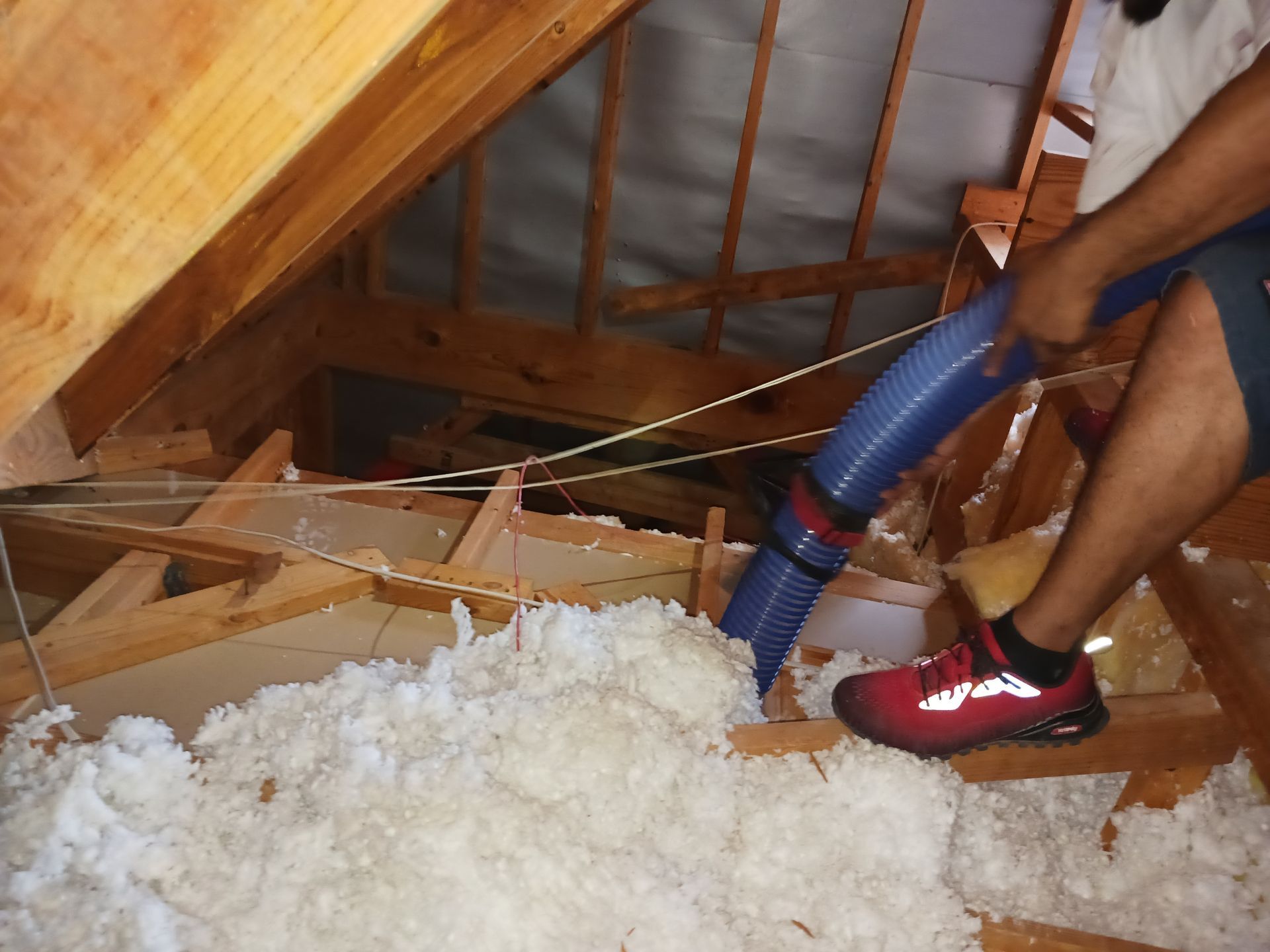
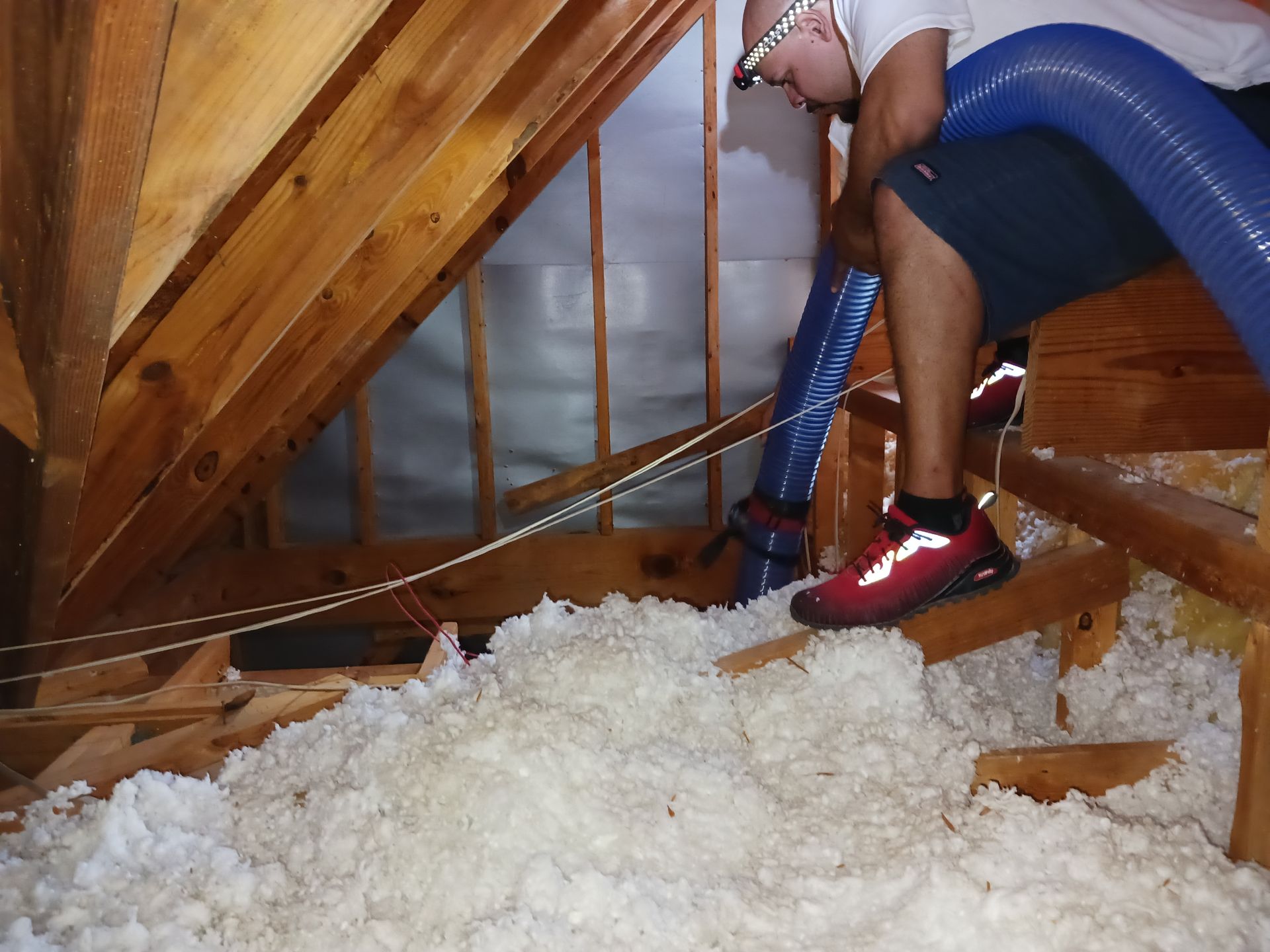
A man is using a vacuum hose to blow insulation into an attic.
Button
A man is sitting on a ladder in a garage painting the ceiling.
Button
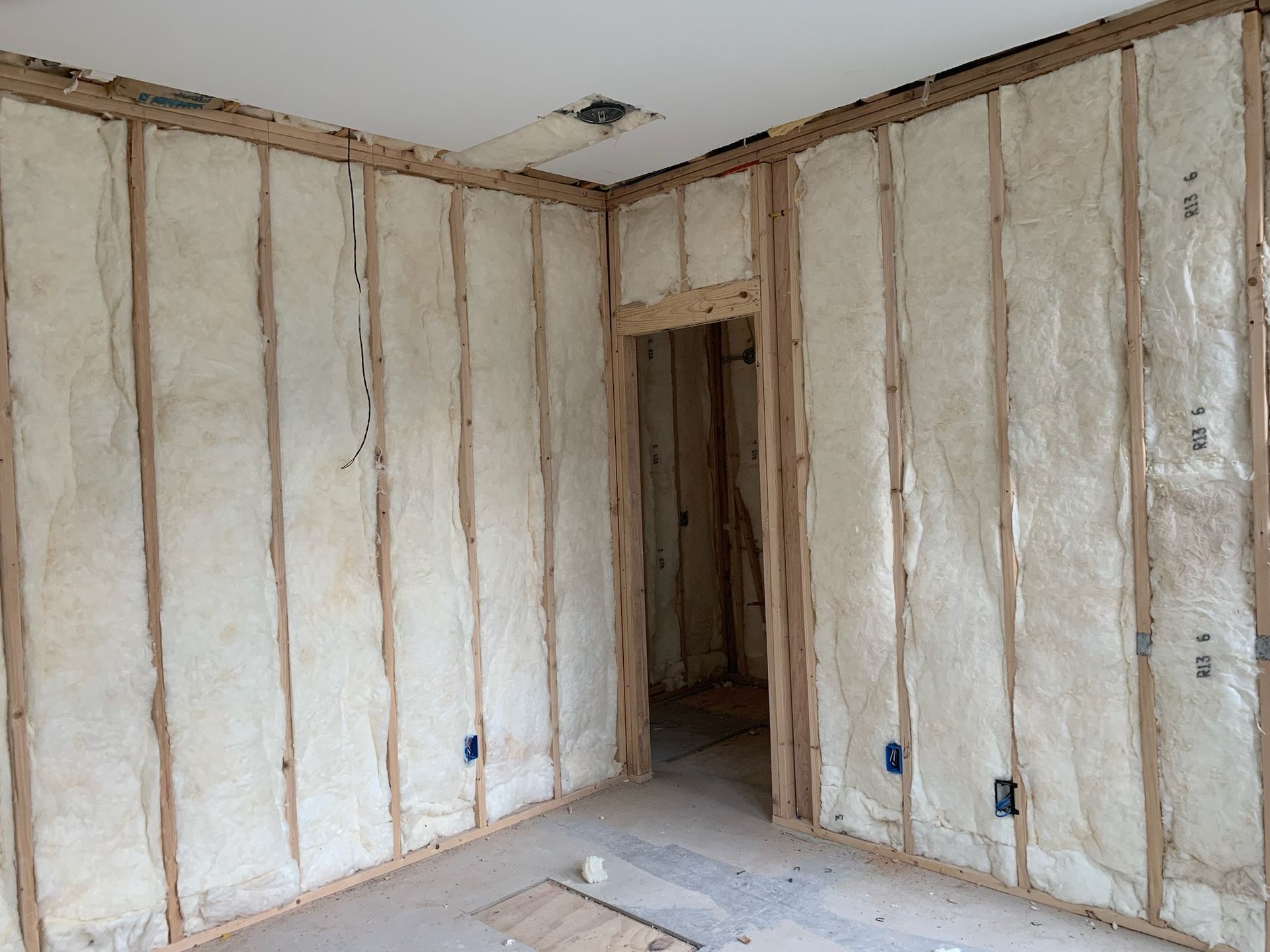
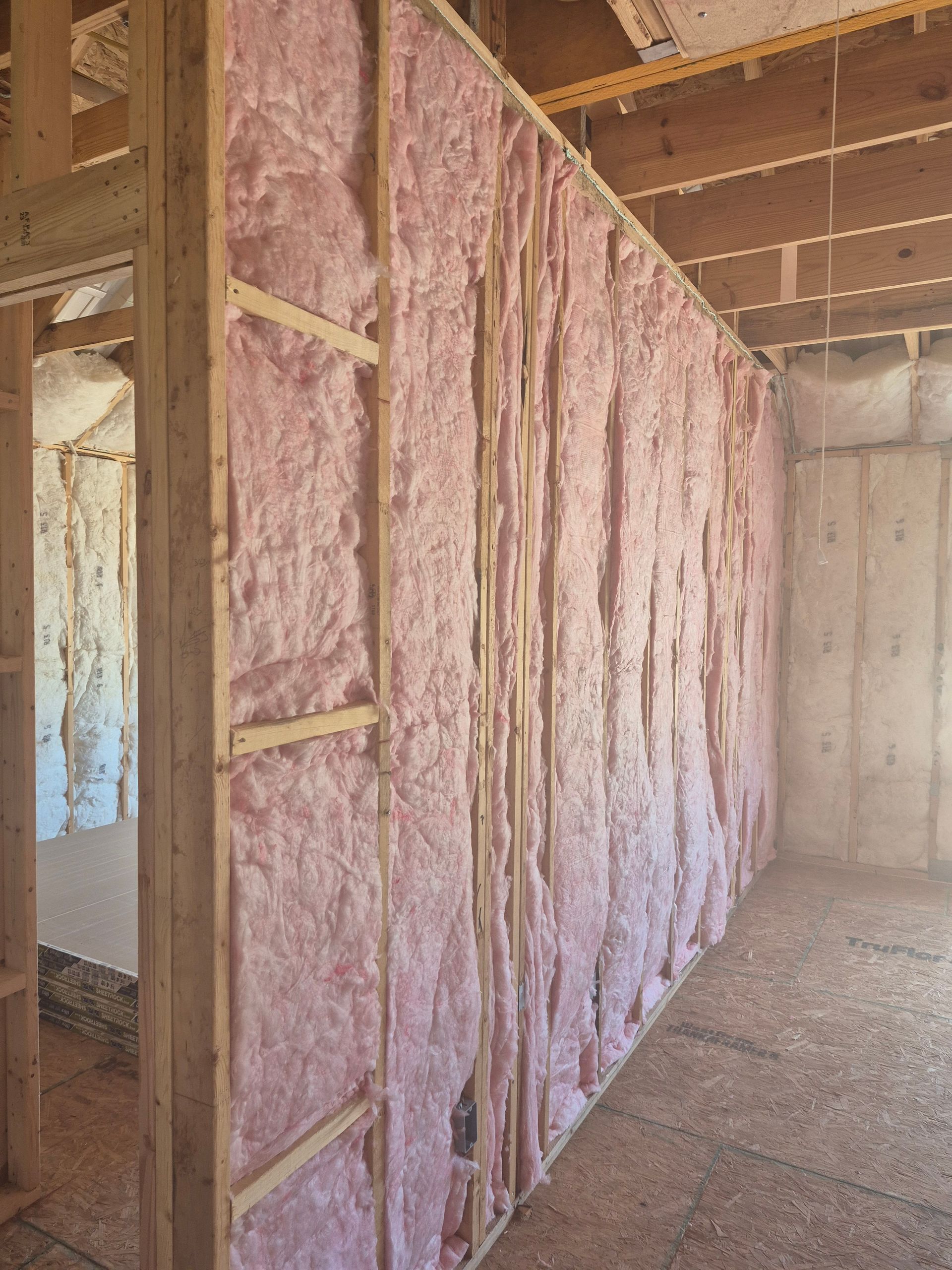
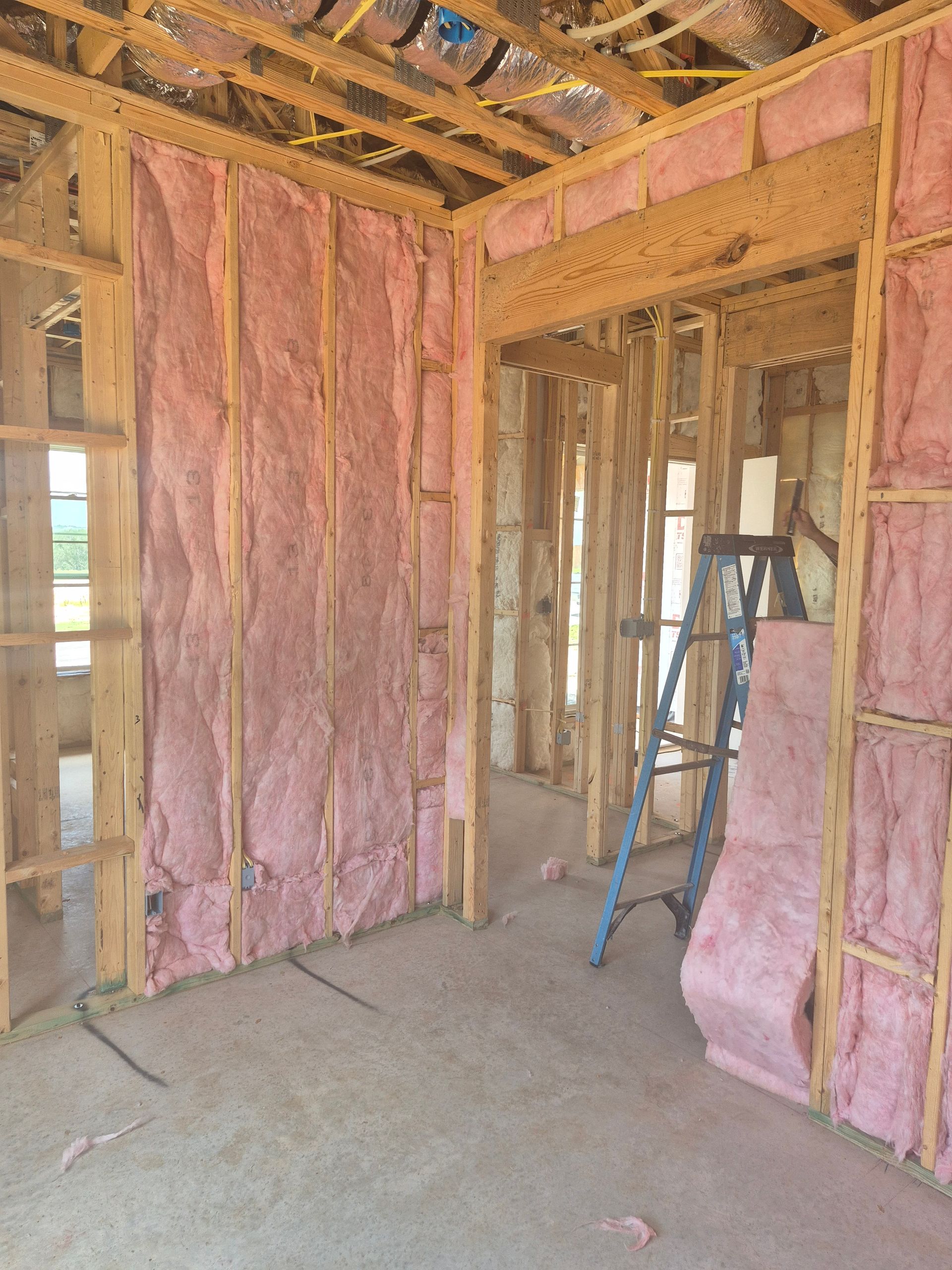
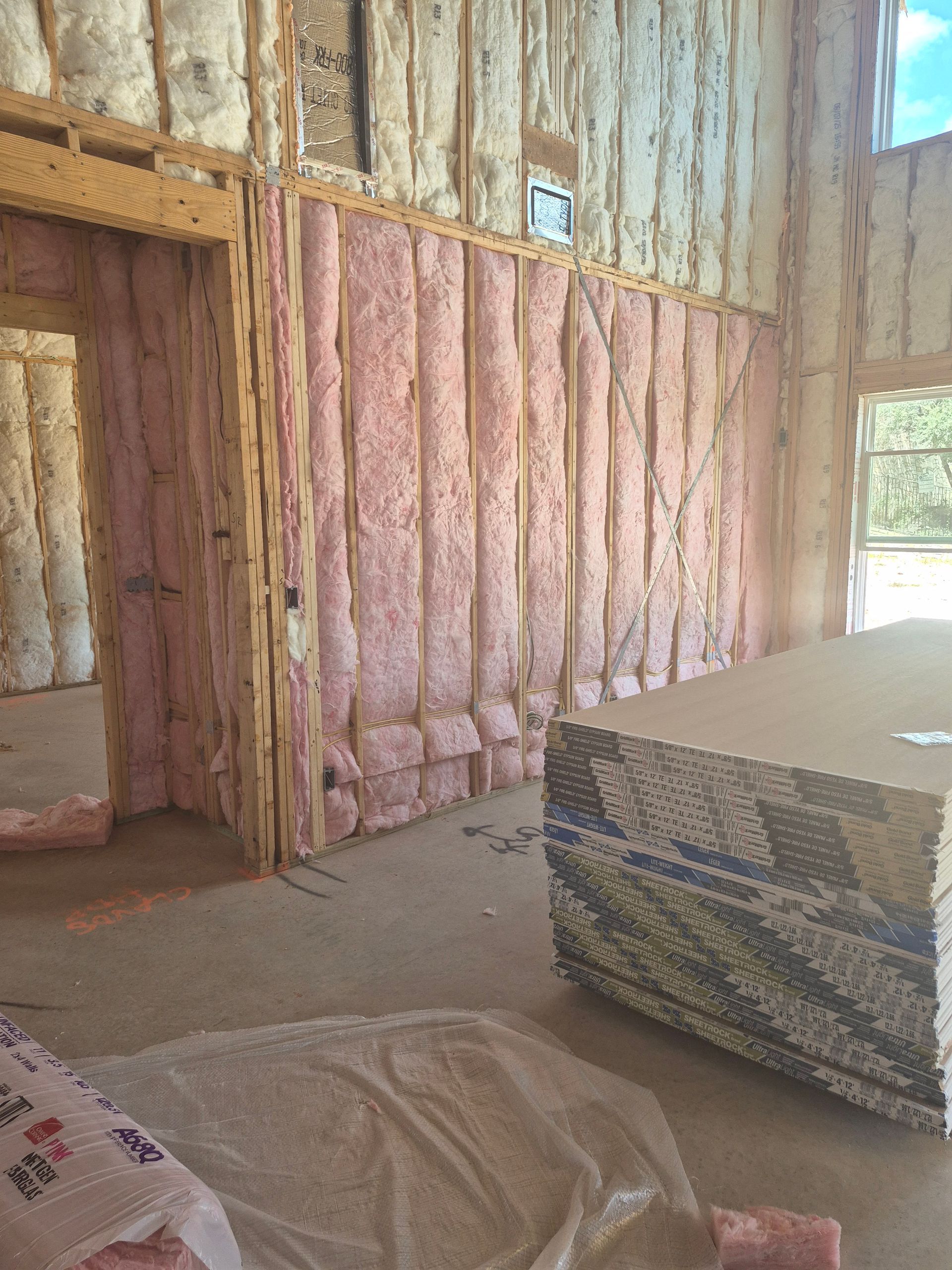
A room with a lot of insulation on the walls.
Button
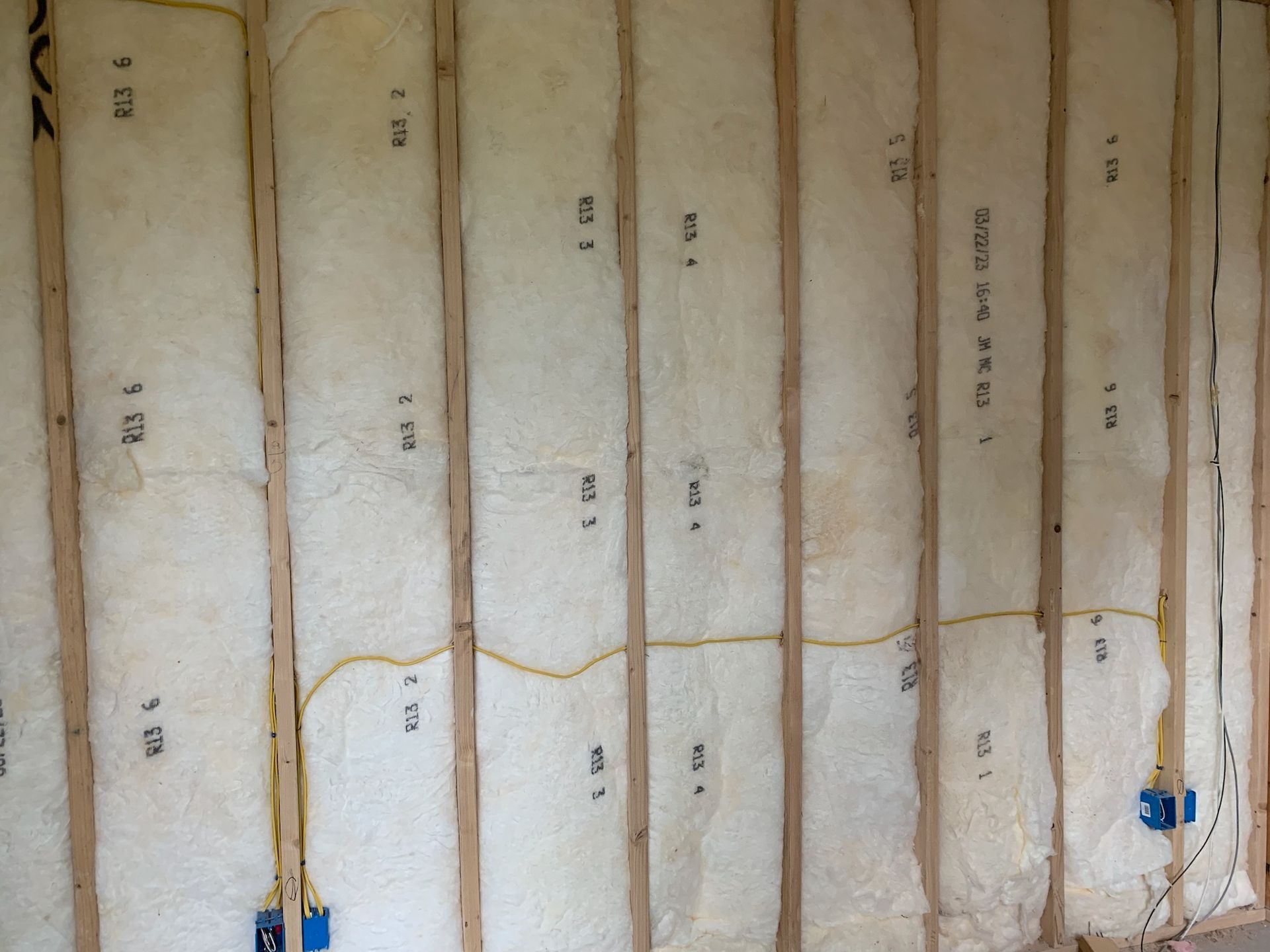
A wall with a lot of styrofoam on it
Button
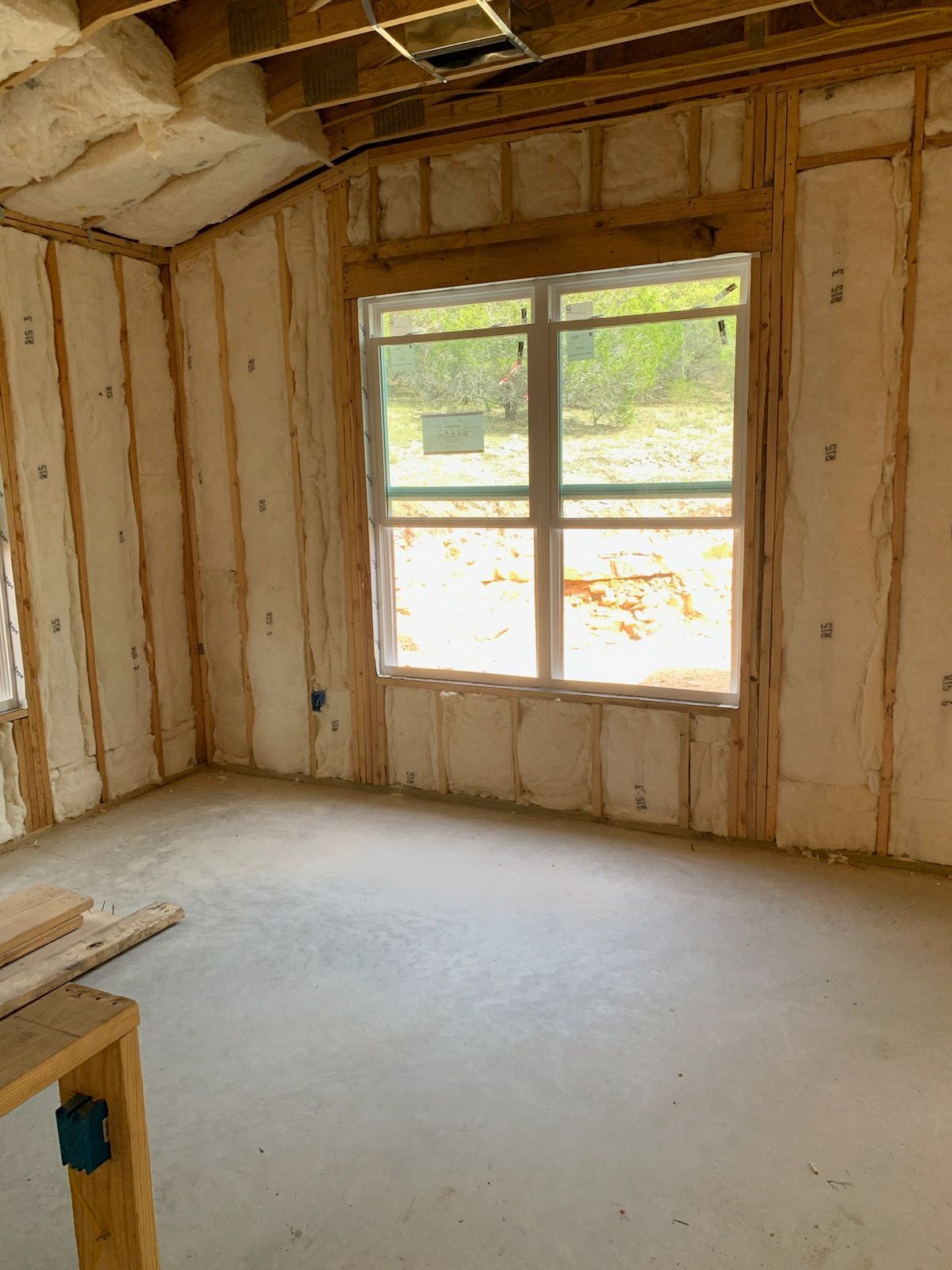
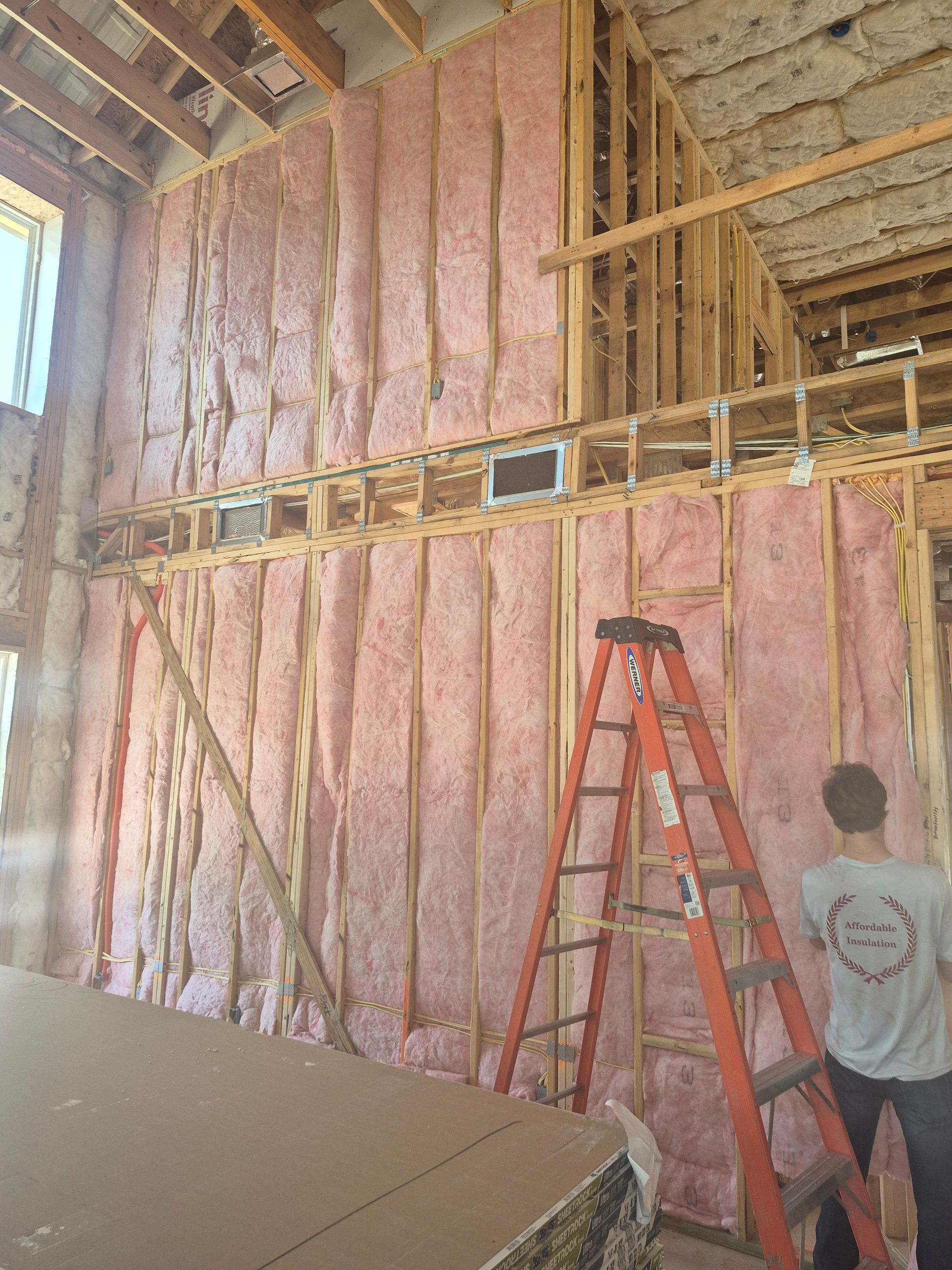
A room with a lot of insulation on the walls and a window.
Button
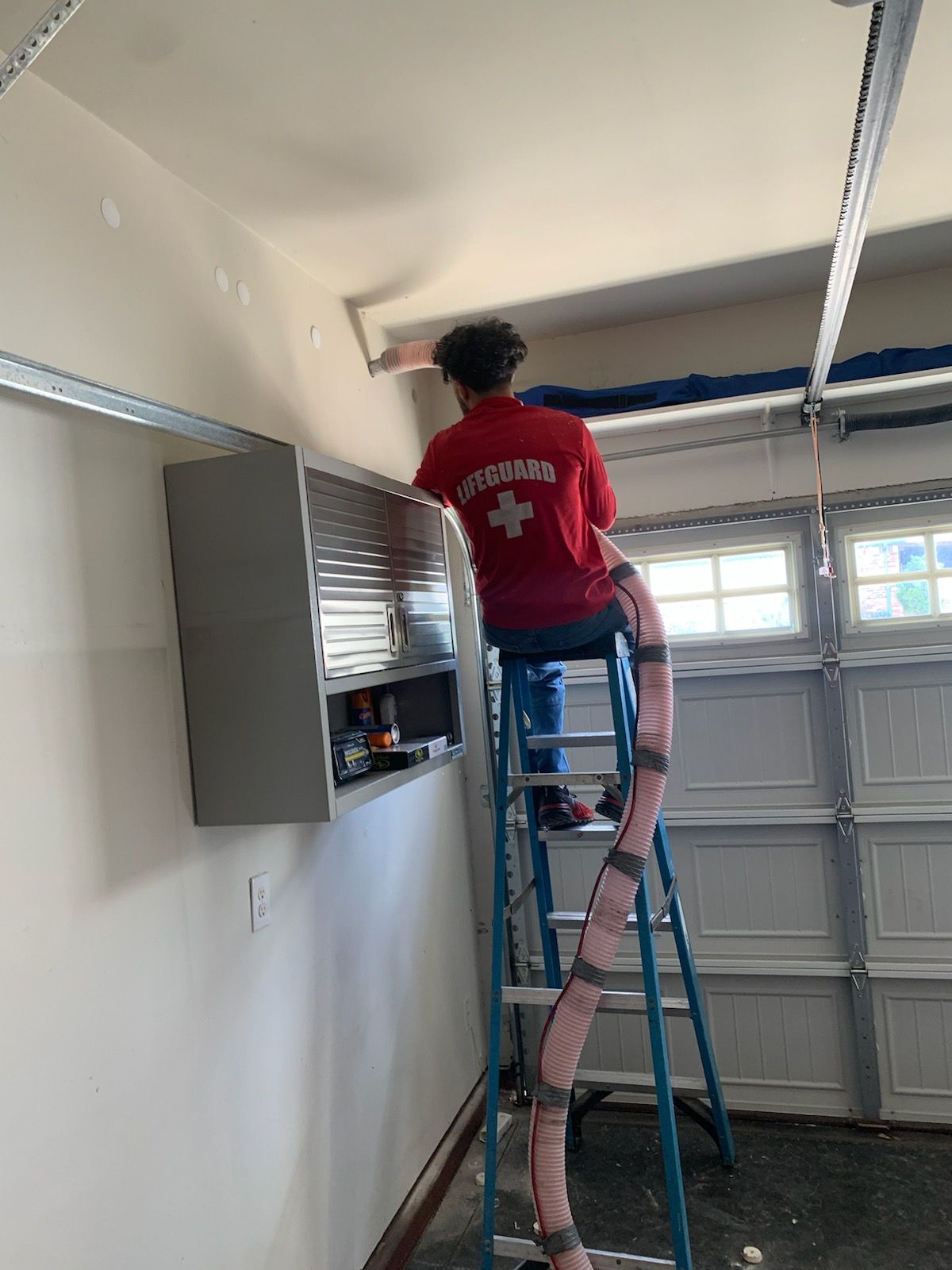
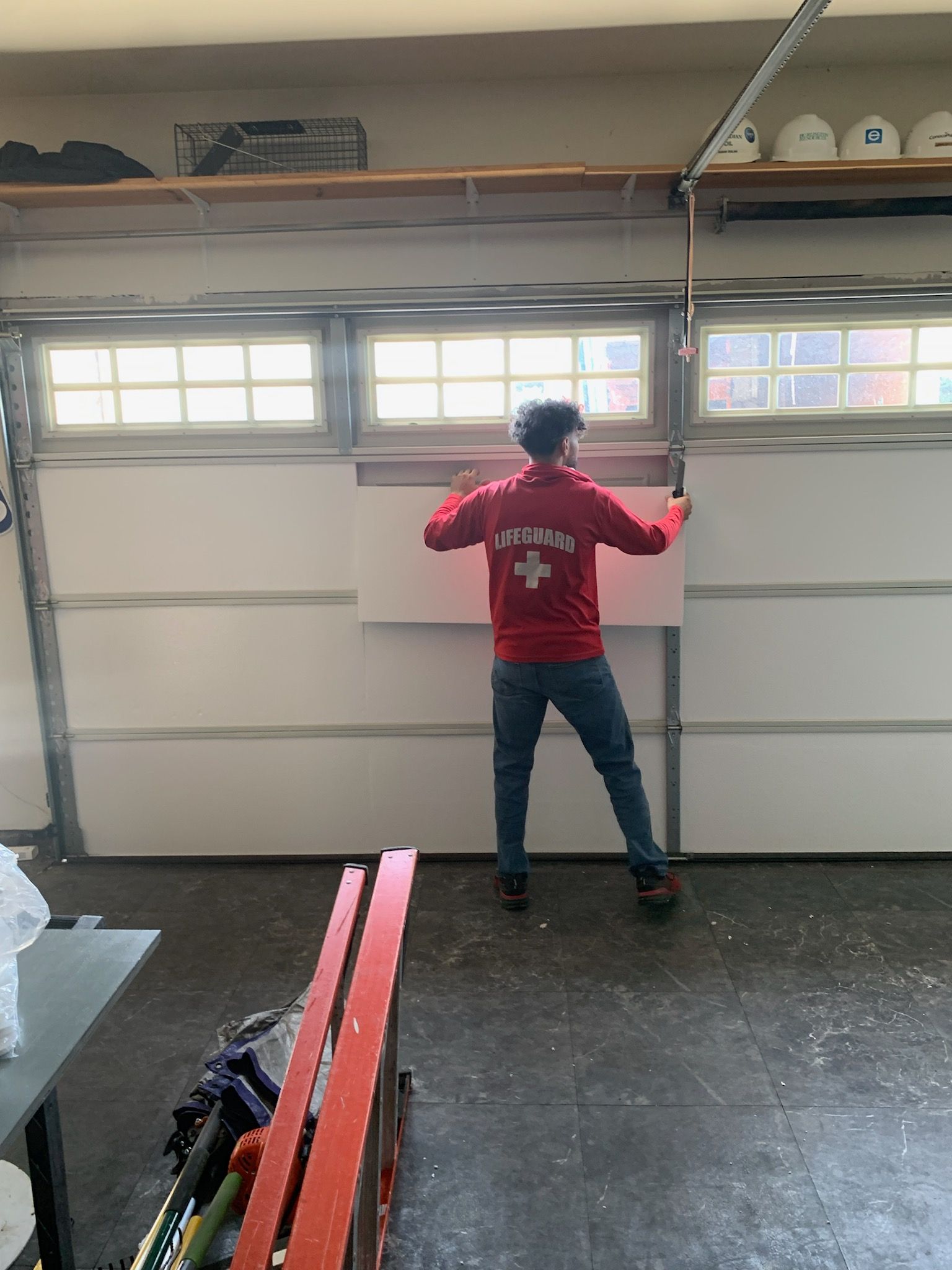
A man in a red shirt is standing in front of a garage door.
Button
Attic insulation free estimates 512-966-1223 affordable insulation
Button
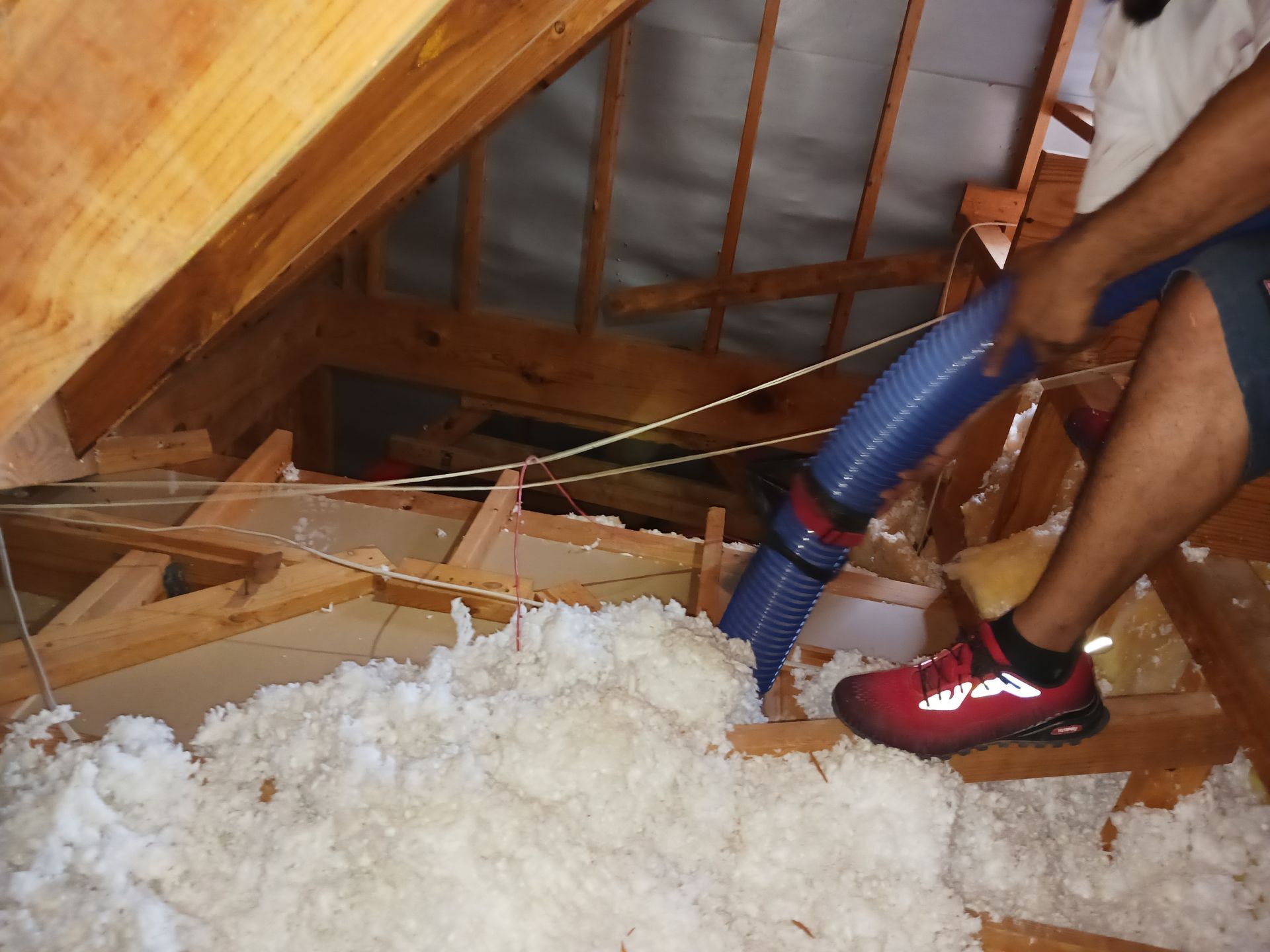
A man is blowing insulation into an attic with a vacuum
Button
A man is using a vacuum hose to blow insulation into an attic.
Button
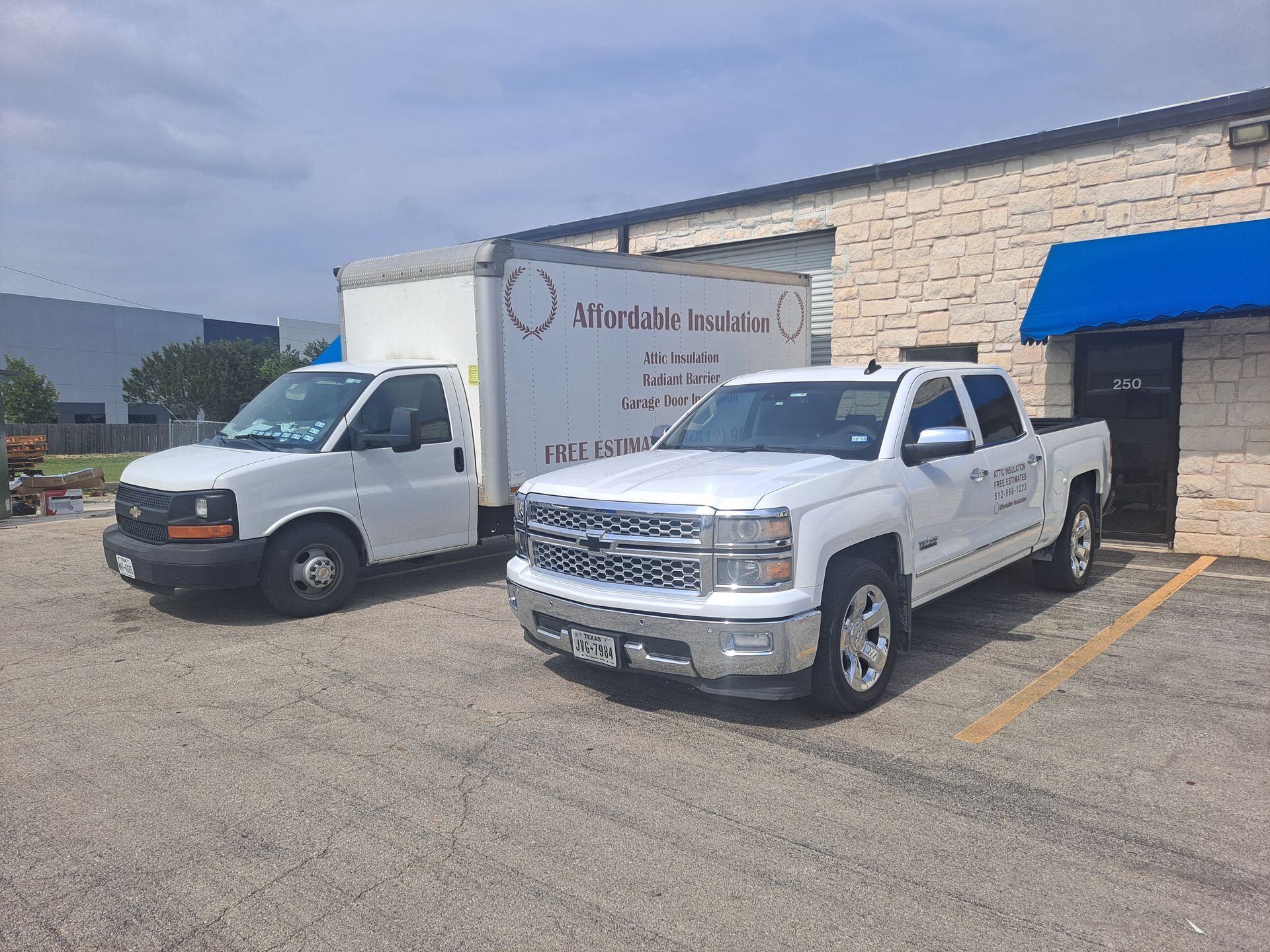
Two white trucks and a white van are parked in front of a building.
Button
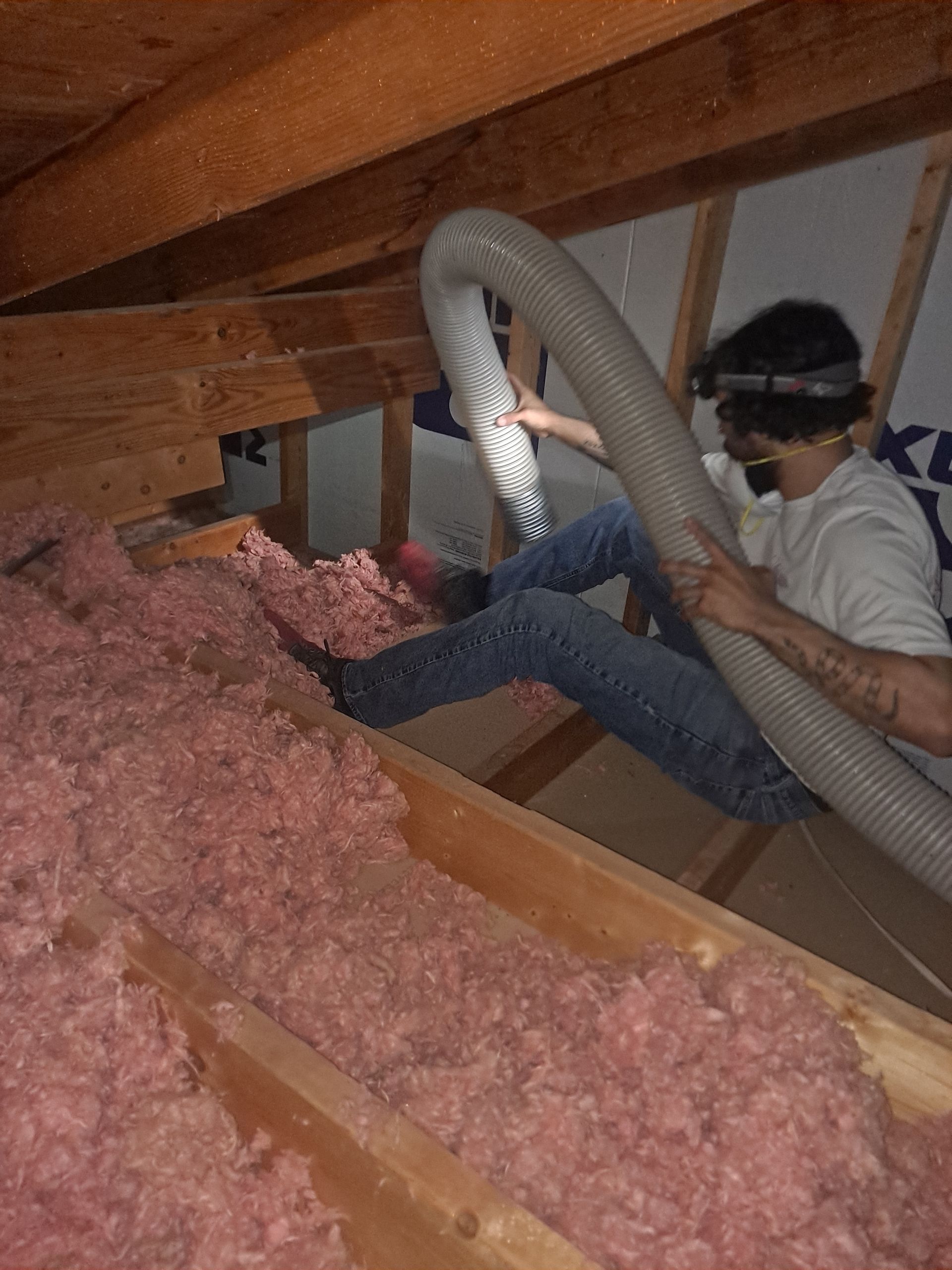
A man is using a vacuum hose to remove insulation from the attic.
Button
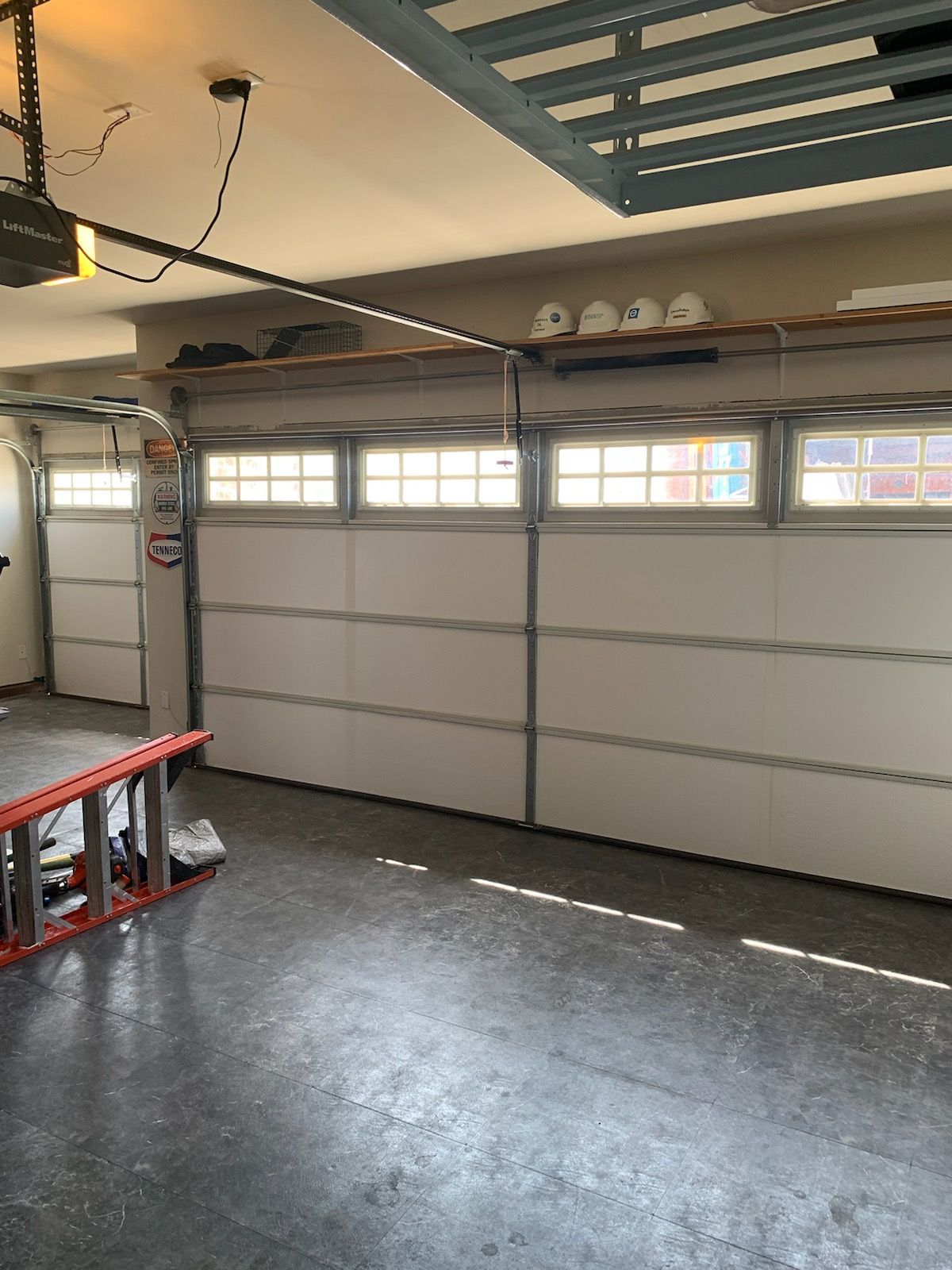
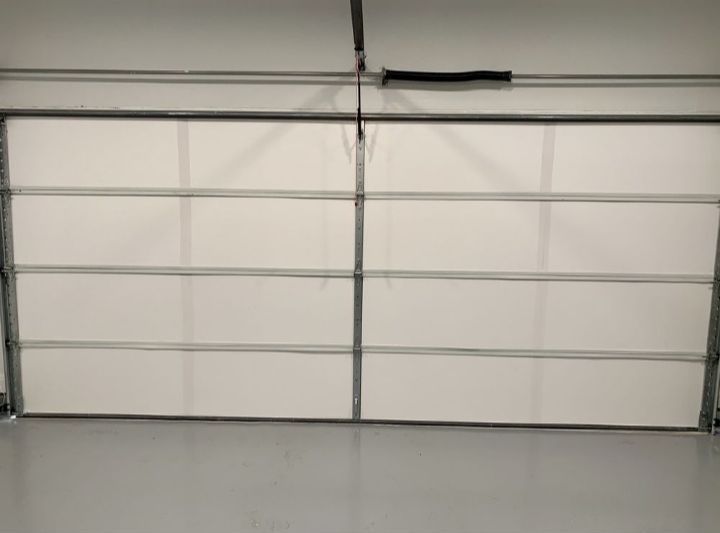
A white garage door is open in a garage with a gray floor.
Button
Button
Button
Button
Button
View more

Frequently Asked Questions

Affordable Insulation provides expert insulation services in Georgetown, Austin, and surrounding Central Texas areas. Our family-run business has over five years of experience with veteran and first responder discounts available.

  • How long does attic insulation installation take?

    Most attic insulation installations are completed in a single day. During summer months, expect about a two-week turnaround for scheduling, while cooler months allow for faster scheduling within one week. At Affordable Insulation, we use efficient blown-in equipment to complete your project quickly.
  • What R-value do you recommend for Central Texas?

    We recommend R-38 to R-60 for Central Texas attics based on Texas Department of Energy guidelines. Most Austin and Georgetown homes require 12-16 inches of blown-in insulation to achieve optimal performance. At Affordable Insulation, we assess your current levels and recommend the right R-value for your home.
  • Can you add insulation over existing material?

    Yes, blown-in insulation can typically be added over existing attic insulation. Our team first assesses your current insulation depth and condition during an on-site evaluation. We'll recommend whether adding more insulation or complete removal and replacement is the best solution for your home.
  • Why does old insulation need removal?

    Old insulation often becomes contaminated, compressed, or damaged over time, reducing its effectiveness. Our specialized equipment removes all old material while staying outside your home, thoroughly cleaning your attic. At Affordable Insulation, we prepare your attic properly before installing new Johns Manville Climate Pro fiberglass insulation.
  • How much can proper insulation reduce energy bills?

    Austin homeowners typically see 15-25% reduction in cooling costs within the first year after upgrading attic insulation. With average summer electricity bills ranging from $200-350 monthly, most installations pay for themselves within 2-3 years through energy savings and improved HVAC system efficiency.
  • What's included in drill-and-fill wall insulation?

    We drill 2-inch holes from inside or your garage, fill wall cavities with insulation, then seal holes with white caps. While we don't handle drywall repairs, we can recommend trusted professionals. At Affordable Insulation, this process improves your home's comfort without major renovation disruption.
  • When is the best time for insulation installation?

    Fall and winter offer faster scheduling within one week, while summer has about a two-week turnaround due to high demand. However, benefits are immediate year-round in Central Texas. At Affordable Insulation, we work efficiently in all seasons to improve your home's comfort and reduce energy costs.
  • How do you protect against pest infiltration?

    We seal penetrations around electrical fixtures, plumbing vents, and HVAC ductwork before adding new insulation. This air sealing step prevents pest entry points while improving energy efficiency. Some installations use TAP Pest Control Insulation for added protection against insects and rodents in your attic.
  • What preparation is needed before installation?

    Our team handles most preparation, but you should clear attic access and move any stored items blocking work areas. We'll conduct a comprehensive assessment of existing insulation levels, air sealing requirements, and ventilation during your consultation. At Affordable Insulation, we ensure your attic is properly evaluated before starting work.
  • How long does blown-in insulation last?

    Quality blown-in insulation like our Johns Manville Climate Pro fiberglass typically lasts 20-30 years when properly installed. The material maintains its R-value performance even during Central Texas' extreme temperature fluctuations. We ensure proper density and coverage throughout your attic for long-term thermal performance.
  • What R-value do you need for attic insulation in Central Texas?

    R-38 to R-60 works best for Central Texas homes due to intense summer heat and variable winter temperatures. Higher R-values reduce cooling costs more effectively in this climate. Johns Manville Climate Pro fiberglass achieves these values while resisting compression over time.
  • How does drill-and-fill wall insulation work?

    Technicians drill 2-inch holes from inside rooms or the garage, then fill empty wall cavities with insulation through those access points. Holes are sealed with white caps that blend with most wall surfaces. This method adds a thermal barrier without removing drywall.
  • When should you remove old attic insulation instead of adding more?

    Remove insulation when it's contaminated by pests, water-damaged, severely compressed, or mixed with debris that blocks airflow. Contaminated insulation loses R-value and can harbor allergens. Complete removal and cleaning before new installation restores full thermal performance.
  • What's the difference between TAP insulation and standard fiberglass?

    TAP Pest Control Insulation includes additives that repel insects and rodents while providing thermal performance. Standard fiberglass like Climate Pro focuses solely on R-value. TAP works best for homes with recurring pest issues or properties near wooded areas.
  • Why does air sealing matter before adding attic insulation?

    Air leaks around electrical fixtures, plumbing vents, and ductwork allow conditioned air to escape even with high R-value insulation. Sealing these gaps prevents pest entry and stops airflow that bypasses the thermal barrier. Insulation slows heat transfer but doesn't block air movement.
  • Does radiant barrier insulation help in Texas summers?

    Radiant barriers reflect heat away from attic spaces before it transfers to insulation below, which is particularly effective during Central Texas summers when roof temperatures exceed 160 degrees. This keeps attic temperatures lower and reduces cooling load on HVAC systems.
  • What causes attic insulation to lose effectiveness over time?

    Compression from foot traffic or storage, moisture damage from roof leaks, pest contamination, and settling all reduce insulation R-value. Fiberglass maintains loft better than cellulose in hot attics. Insulation compressed to half its thickness loses about 50% of its thermal resistance.
  • Should you insulate HVAC ducts if they're already in the attic?

    Yes, uninsulated ductwork in unconditioned attic spaces loses significant energy as conditioned air travels through 130-degree environments. Duct insulation prevents temperature gain in summer and loss in winter. This improves system efficiency more than adding attic floor insulation alone.
  • How does Georgetown's climate affect insulation needs compared to northern states?

    Central Texas requires higher R-values for cooling loads than heating, the opposite of northern climates. Attics here face extreme summer heat that drives cooling costs year-round. Radiant barriers and ventilation matter more in hot climates than cold ones.
  • What happens during an insulation removal if the equipment stays outside?

    Specialized vacuum equipment remains outdoors while hoses run into the attic to extract old insulation. This prevents dust and contaminants from circulating through living areas. The attic gets cleaned completely before new insulation installation begins.
  • Can you add insulation to walls without tearing out drywall?

    Drill-and-fill methods access empty wall cavities through 2-inch holes drilled from interior walls or garage sides. Insulation fills the cavities completely, then holes are sealed with caps. This avoids drywall removal, repainting, and interior disruption.
  • Why insulate garage doors in Central Texas?

    Uninsulated garage doors allow heat transfer into attached garages, which then radiates into adjacent living spaces through shared walls. Insulated doors regulate garage temperature and reduce energy loss. This matters most for homes with bedrooms or living areas above or beside garages.
Talk With Us Now

Copyright © Affordable Insulation | All Rights Reserved

Georgetown, TX

78628